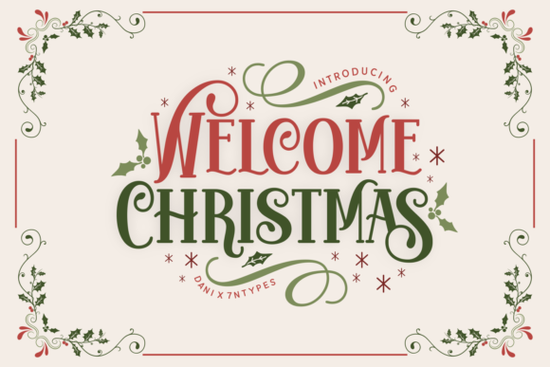
If you are looking for a festive typeface that brings immediate warmth to your holiday projects, the Welcome Christmas Font delivers exactly that. Rather than forcing stiff, traditional lettering onto your work, this style features soft curves, playful spacing, and a hand-drawn feel that reads clearly even at smaller sizes. Crafters, print-on-demand sellers, and small business owners often reach for this kind of display style when they need instant seasonal recognition without sacrificing legibility. You can drop it straight into your design software, adjust the weight, and watch your greeting cards, mug wraps, or storefront banners take shape quickly.
What Makes This Holiday Type Design Work So Well?
Festive lettering tends to fall into two camps: overly ornate scripts that are hard to read, or rigid serif styles that feel dated. This set sits comfortably in the middle. The rounded terminals and gentle swashes give it a cozy, neighborhood-shop vibe while keeping the baseline steady enough for longer headlines. When you scale it down for tote bags or sticker sheets, the shapes stay distinct. That balance between decorative flair and clear structure is why it keeps showing up in winter market stalls and digital shops throughout December.
Where Should You Apply It First?
Before committing to a full collection, test the typeface across a few high-impact mediums. Here are the most reliable starting points:
- Heat press apparel: The thick strokes hold up well on cotton blanks and transfer easily through standard vinyl plotters.
- Digital greeting cards: Export as PNG or PDF for crisp scaling, then layer over watercolor backgrounds or subtle snow textures.
- Gift tags and packaging: Pair with simple line art and let the lettering carry the visual weight without extra borders.
How to Build a Cohesive Winter Layout
Mixing type families requires careful spacing and consistent vertical rhythm. When you pair the main festive headline with supporting details, you want contrast without chaos. A structured sports aesthetic, similar to the retro athletic lettering set, grounds your composition when placed behind soft, rounded characters. For rustic or handmade branding, the warm flowing scripts provide a natural secondary voice for addresses and thank-you notes. If your shop leans into playful holiday storytelling, the slightly whimsical display pack offers that extra personality for limited-edition drops. While you experiment with kerning and color blocking, keeping the broad display category library bookmarked saves time when switching between project files. Finally, visiting the full family preview page lets you compare alternative weights and glyph sets before committing to commercial production.
Can You License This Style for Commercial Production?
Most independent creators assume festive lettering carries strict personal-use limitations, but many modern foundries now offer extended commercial rights straight from their storefronts. Before uploading mockups to Etsy or Amazon KDP, review the license tier attached to your download. Commercial agreements typically allow unlimited retail listings, small-batch fabric printing, and marketplace uploads, while excluding digital resale of the raw font file itself. Keeping a simple folder named licenses inside your client or store directory prevents accidental violations during peak season. When pricing your physical goods, factor in the production cost of substrates rather than treating the typefile as a flat markup.
If you need to verify current usage terms or locate updated license documents, searching the official storefront for the Welcome Christmas typeface ensures you are viewing the most recent creator guidelines.
What File Formats Support Your Workflow?
Your output method dictates which extensions you should prioritize. Designers working in vector programs benefit from SVG and EPS versions, which preserve clean edges when resizing for large-format banners. Sublimation artists and heat press operators usually prefer high-resolution PNG files with transparent backgrounds to avoid white halos around curved letters. For quick digital mockups, JPEG remains acceptable, but always export at three hundred dots per inch to maintain sharpness on mobile screens. Keeping a local backup of both vector and raster copies means you never miss a last-minute holiday order.
How Do You Keep Holiday Designs Fresh Year After Year?
Seasonal fatigue happens when shops reuse identical layouts and color palettes. Instead of chasing every trending graphic, anchor your releases in consistent typography and rotate only the surrounding imagery. Try swapping deep forest greens for dusty rose accents, or replace illustrated reindeer with minimalist pine branches. Adjusting line height and adding subtle drop shadows creates depth without altering the core letterforms. Small adjustments compound into recognizable brand consistency, which builds trust faster than constant reinvention.
Before finalizing your December release, run through this quick verification list to catch common production errors:
- Check character spacing on wide words like “season” and “celebrate” to prevent overlapping glyphs.
- Test the primary color against both light and dark fabric samples under indoor lighting.
- Verify license permissions match your planned sales channels, especially for print-on-demand platforms.
- Export a web-ready PNG at fifteen hundred pixels wide to confirm edge clarity on smartphone feeds.
Start with a single mockup, publish it to one social channel, and monitor engagement metrics before scaling to larger inventory batches. Consistent execution beats perfection every holiday cycle.
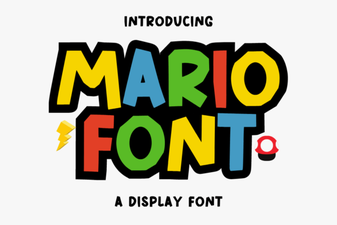 Custom Mario Font Design & Creative Projects
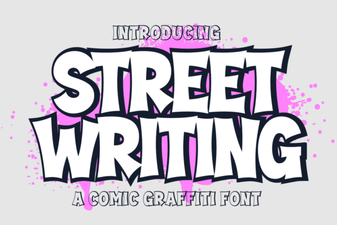 Urban Graffiti Fonts: Creative Design Ideas
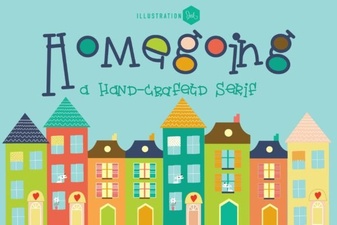 Unveiling the Homegoing Font for Your Projects
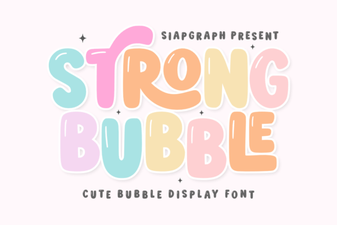 Free Bubble Fonts for Creative Projects
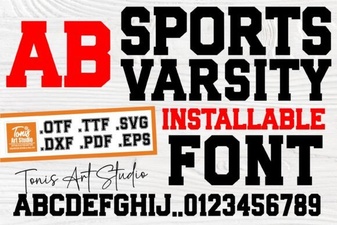 Varsity Font Designs for Sports and Graphics
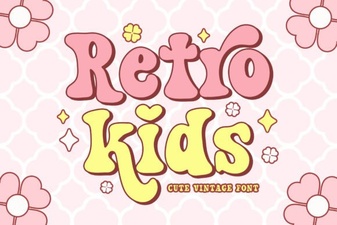 The Value of Classic Retro Fonts for Children's Designs