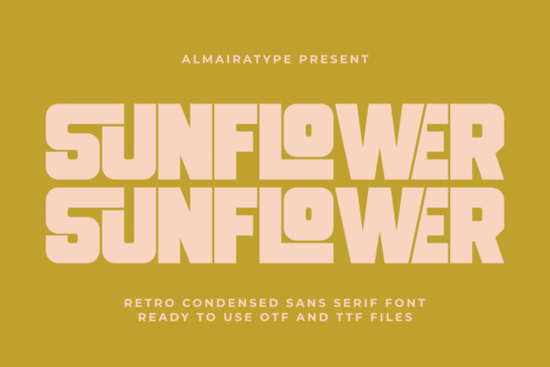
If you are looking for a typeface that instantly grabs attention while keeping things readable, the Sunflower Font delivers exactly that balance. This bold retro condensed sans serif style brings a warm, vintage feel to modern layouts without sacrificing professionalism. Designers and print-on-demand sellers often struggle to find letters that look fresh on current feeds yet still carry that timeless mid-century charm. That gap is exactly where this condensed face steps in. Its tightly packed structure and smooth geometric curves make headlines pop on everything from custom tees to product boxes. You get crisp edges that scale cleanly, which matters when your work moves from screen to physical goods.
What actually drives the retro-compressed look?
Retro condensed faces pull their visual weight toward the center. The letters sit close together, which forces the eye to travel quickly across short lines. This compression works beautifully for tight spaces like shirt collars, sticker borders, or social media graphics where you need impact without clutter. The geometric interlocking contours give each character a subtle mechanical rhythm. Instead of relying on heavy serifs or decorative flourishes, the design leans on clean arcs and consistent stroke widths. When paired with a warm color palette or a subtle textured background, the result feels nostalgic without looking outdated.
How does it handle commercial printing and vinyl cuts?
Physical production requires clean vector paths and predictable kerning, especially when running designs through automated cutters. The open negative space and uniform thickness prevent thin fragments from tearing during weeding. Crafters report fewer frustration moments when working with tools like Cricut or Silhouette because the outer boundaries remain solid and easy to follow. For pod entrepreneurs, those reliable outlines translate directly to faster turnaround times and fewer rejected prints. The typeface also maintains legibility at smaller sizes, which helps when squeezing titles onto mugs, tote bags, or packaging sleeves. Many shops blend this compressed structure with softer letterforms to create contrast. Pairing it with a flowing casual style found in collections like Modern Limited Sans Serif creates balanced hierarchies that guide customer eyes straight to key selling points. Similarly, swapping in a relaxed handwritten alternative such as the Bright Darling Duo adds personality to product labels without overwhelming the main message. Both combinations keep the visual hierarchy clear and commercially viable.
Where should you place these characters on your products?
This face thrives in short, punchy formats. It performs exceptionally well for single-line slogans, event banners, and quick promo stickers. The tight spacing naturally draws words together, making it ideal for creating compact logos or badge-style emblems. Packaging designers often use the bold weight to anchor ingredient lists or certification badges, letting the heavier strokes carry visual authority while lighter body text handles the details. Social media managers appreciate how the compressed layout fills horizontal space efficiently, leaving room for additional visual elements like photography or illustrations. Even when scaled down for thumbnail previews, the core shape remains distinct enough to stay recognizable across different platforms.
Does it fit into a broader commercial workflow?
Professional branding systems require typefaces that adapt across mediums without losing consistency. This condensed sans serif supports that flexibility by offering clear contrast against both light backgrounds and dark overlays. It pairs well with minimal icon sets, grid-based templates, and straightforward color blocking. Small business owners often use it for restaurant menus, workshop flyers, or seasonal promotional cards because the retro lean evokes approachability while the clean lines maintain credibility. Independent clothing labels rely on its strong silhouette to stand out on crowded marketplaces, while digital marketers appreciate how quickly it communicates urgency in limited-time offers. If you want to preview the full set directly on Sunflower. Testing file compatibility ahead of time saves hours during busy launch weeks. Many creators also bookmark supplementary resources like Ballpoint Writing to maintain visual harmony when expanding beyond a single project scope. Keeping your asset library organized reduces decision fatigue, so storing exported PNGs, SVGs, and PDFs in separate folders prevents last-minute formatting errors. For those who frequently revisit multi-project pipelines, reviewing options like GodPlan Sans Serif helps maintain structural consistency across diverse campaigns. Finally, visiting the dedicated page for this specific collection gives you direct access to updated weights and export guides.
Quick setup checklist for immediate results
- Verify vector path density before uploading to cutting software to prevent unnecessary node clusters.
- Set tracking between minus 10 and plus 20 depending on line length to maintain optimal breathing room.
- Export high-resolution raster previews at 300 DPI for client mockups and marketplace uploads.
- Test color contrast ratios against your primary brand background to guarantee accessibility compliance.
- Save separate files for individual letters, full phrases, and outlined versions to streamline future revisions.
Start by applying the font to a single product prototype. Run a quick print test or upload a mockup to your store to gauge audience response. Adjust spacing and pairing combinations based on real feedback rather than assumptions. Once you identify the most effective layout configuration, replicate the winning formula across your catalog to build recognition and trust with returning customers.
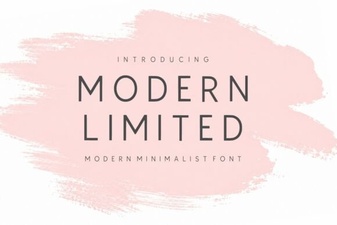 Modern Sans Serif Fonts for Clean Web Design
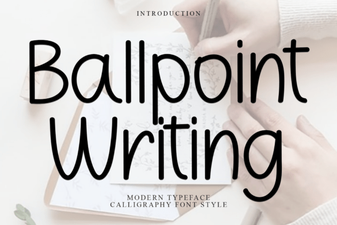 Design Your Print Projects with a Ballpoint Writing Font
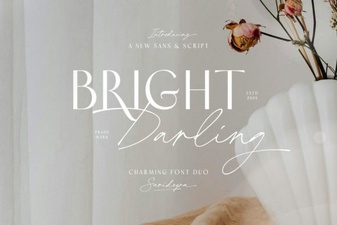 Creative Font Pairings with Bright Darling Duo
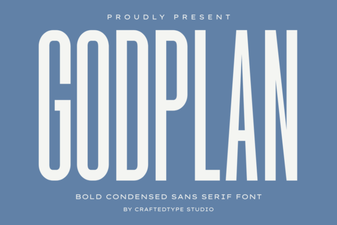 Godplan Font: Design, Readability, and Creative Ideas
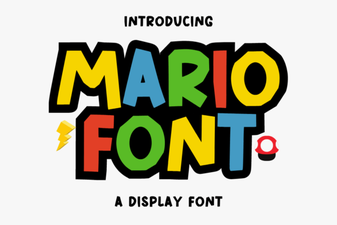 Custom Mario Font Design & Creative Projects
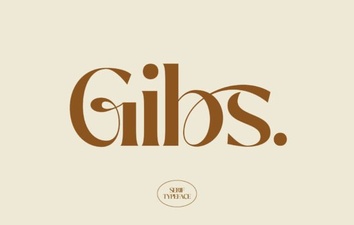 Gibs Font: Creative Projects & Typography Ideas