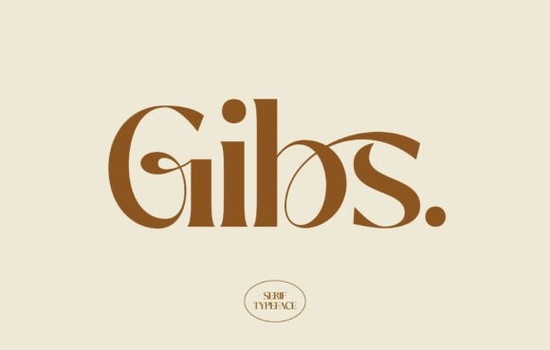
If you are looking for a clean serif that reads well on both packaging and digital mockups, Gibs Font delivers a balanced mix of traditional letterforms and modern spacing. Designers and small business owners often choose this style when they want a polished look without the stiffness that comes with older typefaces. The refined serifs and even proportions make it a reliable pick for logos, editorial layouts, wedding stationery, and print-on-demand merchandise.
What makes this serif style work for branding and everyday print projects?
Serif typefaces often feel formal, but a modern cut keeps them approachable. Gibs Font keeps the classic details while opening up the counters and smoothing the stroke transitions. That means your headlines stay sharp at large sizes, and your body text remains legible when scaled down for labels or business cards. The consistent stroke width also helps vinyl cutters and laser engravers produce clean edges without excessive weeding. If you run a boutique or sell digital templates, a typeface like this gives your listings a cohesive finish without requiring extra graphic elements.
Which software and file formats do I need to run it smoothly?
Most modern font packages include OTF and TTF files, which cover the majority of design workflows. You can install them on Windows or Mac and use them directly in Illustrator, Photoshop, InDesign, Canva, or Cricut Design Space. For print-on-demand sellers, embedding the font in PDF exports or outlining text before uploading to merch platforms prevents substitution issues. When working with cutting machines, convert your text to paths and run a quick weld command so the software reads the letters as single shapes. Store the original files in a project folder for quick access later.
How do I pair this typeface with other fonts without cluttering the layout?
A well-proportioned serif usually pairs best with a clean sans serif or a light script that does not compete for attention. Use the serif for headings, product names, or pull quotes, and reserve the secondary font for supporting details like ingredients, dates, or web addresses. If you want to explore other serif options that share a similar mood, you can browse through our notes on typefaces that balance tradition with modern spacing. Test combinations by comparing x-heights and letter spacing. Mismatched proportions make layouts feel uneven. You can also review our full breakdown of how this serif family handles different layout sizes to see real examples of hierarchy and spacing adjustments.
What should I verify before using it on products I plan to sell?
Licensing is the part most creators overlook until a platform flags a listing. Always check whether the download includes a commercial license that covers physical products, digital templates, or client work. Some font authors allow unlimited print sales but restrict digital redistribution or logo trademarking. If you sell on Etsy, Shopify, or Amazon Merch, keep a copy of your license receipt in your business records. For external reference, you can view the latest availability and licensing details for Gibs Font directly on the marketplace. When in doubt, reach out to the creator before launching a new product line.
How do I get the most out of this font in my next project?
Test real phrases instead of placeholder text. Type out your actual brand name, a product title, or a short quote to see how the letters interact. Adjust the tracking slightly for all-caps headlines, and increase line height when setting paragraphs smaller than ten points. Export a quick print proof on the exact paper or material you plan to use, since uncoated stock and dark fabrics can make fine serifs appear thicker. Finally, keep a simple style sheet that notes your chosen sizes, spacing values, and color codes so future designs stay consistent.
- Install the OTF or TTF files and restart your design software before testing.
- Type real project copy to check spacing, kerning, and legibility at your target size.
- Pair with a neutral sans serif or light script, and keep hierarchy to two typefaces maximum.
- Convert text to outlines before sending files to printers or cutting machines.
- Save your license file in a dedicated folder and verify commercial terms before listing products.
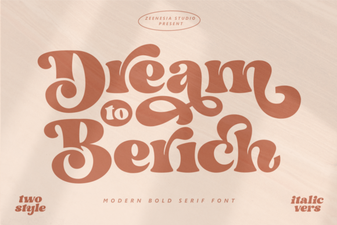 Dream to Berich Font: a Creative Design Toolkit
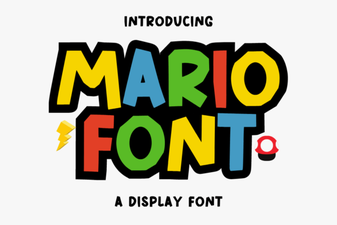 Custom Mario Font Design & Creative Projects
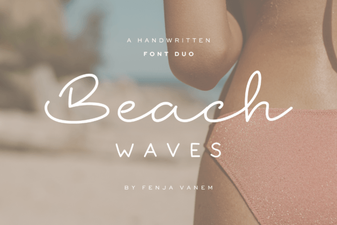 Beach Waves Duo Font for Typography Projects
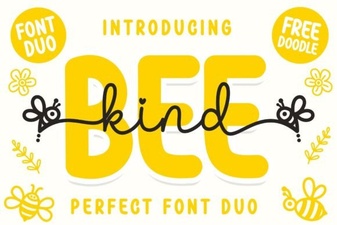 Bee Kind Duo Font: Perfect Pair for Creative Projects
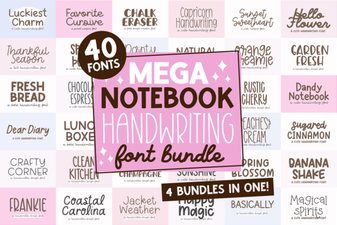 Digital Notebook Fonts for Handwriting & Creative Projects
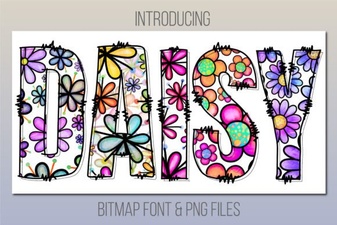 Design with Daisy: a Friendly Font Guide