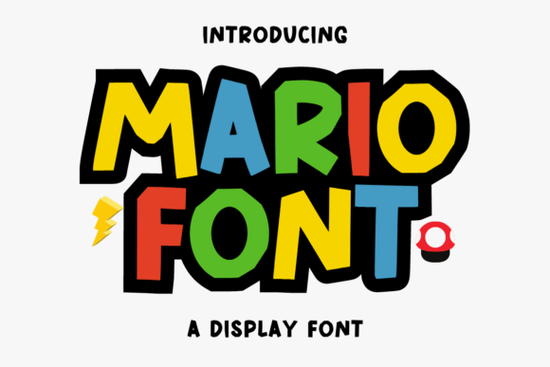
If you need a bold, playful typeface that grabs attention without looking messy, the Mario Font delivers exactly that. It’s a chunky display style built for short headlines, kids’ merchandise, and quote graphics where readability matters just as much as personality. Designers and print-on-demand sellers often pick it up because the thick strokes hold up well on fabric, stickers, and digital thumbnails, while the rounded edges keep the overall vibe friendly and approachable.
What makes this typeface work well for kids’ projects and apparel?
The letterforms are intentionally heavy and evenly spaced, which means they stay legible even when scaled down for toddler shirts or nursery wall art. When you’re designing for children, clarity beats complexity every time. The consistent stroke width also makes weeding vinyl much smoother, so crafters spend less time fixing torn edges and more time pressing designs. If you regularly browse other playful display options for family-friendly brands, you’ll notice how this style balances weight and whitespace to keep layouts from feeling crowded. Less visual noise means faster reading, which is exactly what busy parents and teachers look for when shopping.
How do I pair it with other display styles without cluttering my layout?
Bold display fonts work best when they carry the main message while a simpler secondary typeface handles the supporting details. Try using this font for the primary quote or product name, then drop a clean sans serif underneath for sizing, dates, or care instructions. When you want to experiment with contrasting moods, a rounded bubble style can soften the edges on party invitations, while a hand-drawn street script adds organic movement to event posters and social graphics. Keep the hierarchy clear: one loud font, one quiet font, and plenty of breathing room around the text block. Never force two heavy display faces to compete for the same visual space.
Which file formats and licensing details should I check before downloading?
Most creative marketplaces provide OTF and TTF files, which cover everything from Cricut Design Space and Silhouette Studio to Adobe Illustrator and Canva. Before you start selling products, always review the commercial license attached to the download. Some fonts allow unlimited print-on-demand sales, while others limit you to a certain number of physical items or require an extended license for digital templates and editable Canva links. You can explore the official Mario Font page to verify current licensing terms, file compatibility, and any bonus glyphs or multilingual characters included in the package. Keeping a saved copy of your license receipt inside your project folder will save you headaches during platform audits.
Where does it perform best in print-on-demand and small shop listings?
Thick, upbeat lettering converts well on items that rely on instant visual recognition. Think birthday shirts, classroom posters, quote mugs, laptop decals, and sticker packs. The solid shapes print cleanly on both light and dark garments, and they rarely lose detail during DTG or screen printing runs. If you’re building seasonal collections, you might combine it with a festive holiday typeface for winter drops, or switch to a team-inspired lettering style when designing back-to-school or league merchandise. Rotating complementary fonts keeps your shop fresh without forcing you to rebuild your entire branding system from scratch.
Quick setup checklist before you export your design
- Convert text to outlines or embed the font file to prevent substitution errors across devices
- Check contrast ratios so the bold strokes don’t blend into busy backgrounds or textured mockups
- Run a test print on your target material to verify ink coverage, edge crispness, and wash durability
- Confirm your license covers the exact product type, sales channel, and distribution method you plan to use
- Save a master editable file alongside your final PNG, PDF, or SVG export for fast future revisions
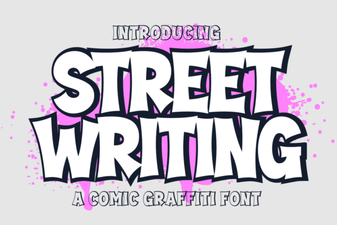 Urban Graffiti Fonts: Creative Design Ideas
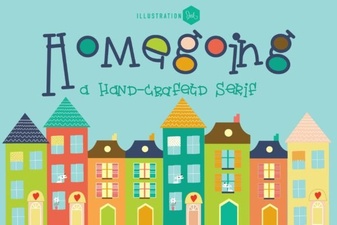 Unveiling the Homegoing Font for Your Projects
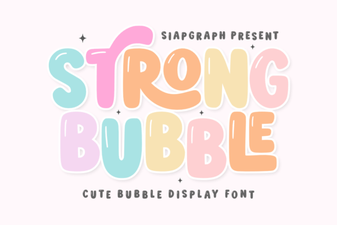 Free Bubble Fonts for Creative Projects
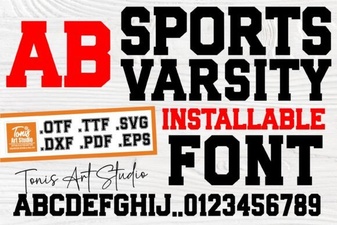 Varsity Font Designs for Sports and Graphics
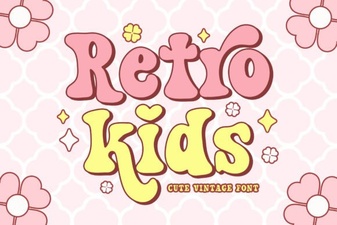 The Value of Classic Retro Fonts for Children's Designs
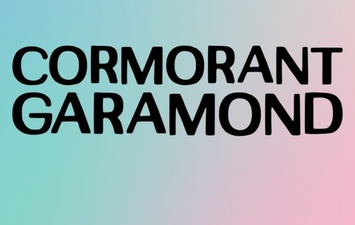 Cormorant Garamond: Elegant Design with Creative Flair