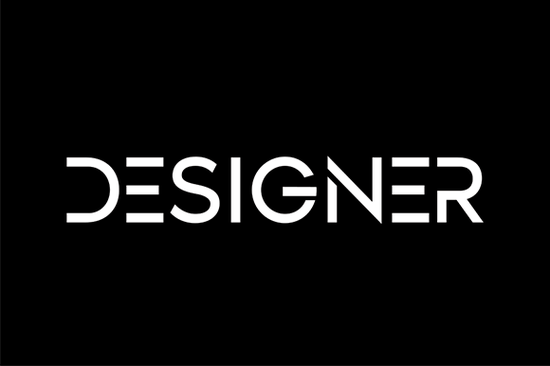
If you are looking for a typeface that balances structure with a relaxed vibe, Designer Font delivers exactly that. This simple and casual display lettering carries an undeniably clean feel, making it a reliable choice when you need text to stand out without overwhelming your layout. Whether you are preparing files for a print-on-demand shop, drafting social media graphics, or working on branding materials for a small business, having a versatile display typeface on hand saves time and reduces guesswork.
What makes this style of typeface work across different project types?
The secret lies in how the letterforms are constructed. Each character follows a neat arrangement that guides the eye smoothly from left to right. Unlike heavily decorated scripts that can clutter a composition, this font keeps spacing consistent while still showing personality. That balanced geometry allows it to perform well in both formal presentations and casual weekend craft projects. You can pair it with minimal illustrations or use it alongside more playful shapes without creating visual noise.
How should crafters and POD sellers apply it?
When converting artwork into physical products, legibility at different sizes matters. A good display font maintains clear counters and open curves even when scaled down. You can use it for product titles, packaging labels, or custom apparel graphics. Because the strokes remain uniform, the design reproduces cleanly on vinyl cutters and direct-to-garment printers. Many creators find that pairing it with a lighter weight sans-serif creates a professional hierarchy. If you ever need something more rounded for children’s products, browsing the Mario typeface collection might give you a complementary contrast. For heavier, bubble-like shapes that work well on sportswear or promotional stickers, checking out the Strong Bubble selection is another straightforward option.
Where does it fit in broader design workflows?
Professional layouts often rely on contrast between serif and sans-serif families, but display fonts fill a specific gap when you need immediate visual impact. This particular style bridges that divide by offering editorial polish alongside everyday readability. You can use it for magazine pull quotes, YouTube thumbnails, or event flyers. Small business owners often pair it with handwritten accents to create a boutique feel. If your current project leans toward elegant typography, exploring a classic like the Cormorant Garamond family provides a nice structural counterpoint. Conversely, if you need something that captures urban energy or rough-edged textures, the Street Writing options offer a completely different mood.
Why consistency matters for repeat customers
Brand recognition depends on predictable visual patterns. When shoppers see the same typeface repeatedly across your storefront, packaging, and marketing emails, they build trust faster. Using a single primary display font throughout your assets reduces decision fatigue during batch production runs. You also avoid mismatched styles that make a shop look disjointed. Keeping your letterform choices limited to two or three complementary families usually produces the most cohesive results. You can always experiment with colors or spacing, but changing the core shape too often dilutes your brand identity.
How to get the most out of the file package
Modern type packages typically include multiple weights, language support, and proper kerning pairs. Before dropping the letters into your vector software, verify that the files from this specific catalog page contain the full weight set you need. Test your text at actual print size rather than zooming in on screen, because digital previews often hide minor spacing gaps. Run a quick spell check, then lock your tracking settings to maintain even rhythm across longer headlines. If you want to see how this family performs in real retail environments, you can browse the full Designer Font listings to compare variations and read user feedback.
Practical next steps for your workflow
- Create a master template folder containing your approved header, subheader, and body text layers.
- Set standard padding rules so text never touches image edges or critical safety zones.
- Export proof files in PDF and PNG formats before sending anything to print.
- Keep a separate document for color codes and spacing measurements to speed up future orders.
Start by testing one headline per week, track which layouts receive the most engagement, and adjust your hierarchy accordingly. Steady iteration beats perfect setups every time.
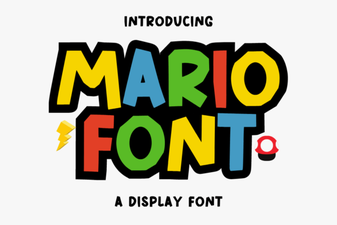 Custom Mario Font Design & Creative Projects
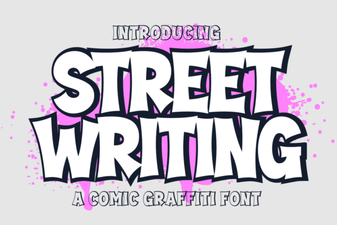 Urban Graffiti Fonts: Creative Design Ideas
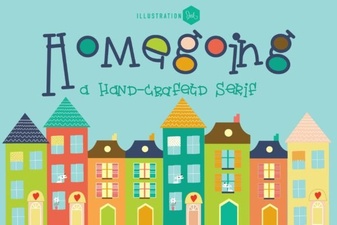 Unveiling the Homegoing Font for Your Projects
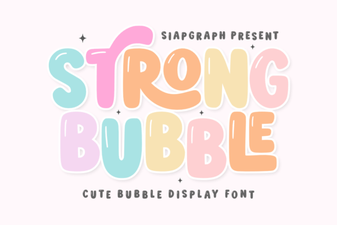 Free Bubble Fonts for Creative Projects
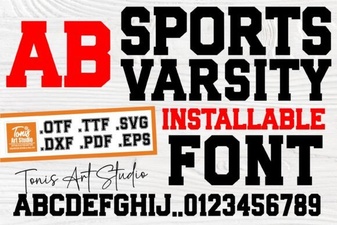 Varsity Font Designs for Sports and Graphics
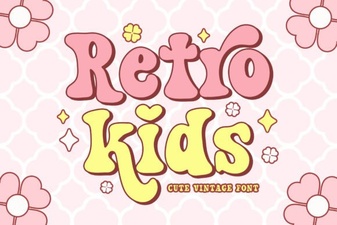 The Value of Classic Retro Fonts for Children's Designs