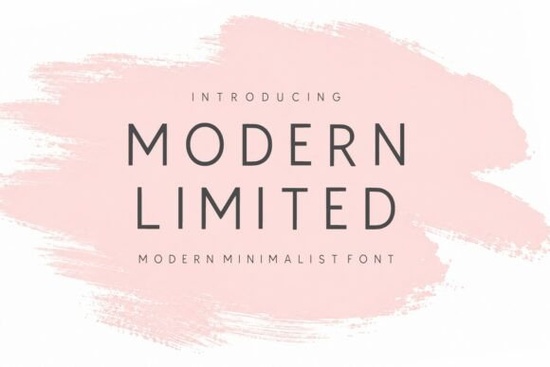
If you need a clean sans serif that handles both luxury branding and everyday social media graphics without losing clarity, Modern Limited Font delivers exactly that. This minimalist typeface removes decorative noise while keeping every letter highly readable. Designers, print-on-demand sellers, and small business owners often choose it because it maintains its shape and spacing across large headlines, packaging labels, and smaller body copy.
What makes this typeface stand out for branding?
The strength of this font lies in its restrained geometry. Instead of heavy strokes or quirky terminals, it relies on even proportions and consistent spacing. That approach gives your layouts a quiet confidence, which works especially well when you want the product photography or core message to take center stage. Beauty packaging, fashion labels, and interior design studios frequently use this style because it reads as premium without feeling tied to a passing trend. When you pair it with generous white space and a muted color palette, the overall composition looks intentional and professional.
Which projects benefit most from a minimalist sans serif?
Not every design needs a loud typeface. Sometimes you need a reliable workhorse that adapts to different mediums and screen sizes. This font fits naturally into:
- Luxury branding and corporate identity where consistency across business cards, websites, and packaging matters
- Editorial layouts and modern websites that require comfortable long-form readability
- Wedding invitations and photography portfolios that lean toward understated elegance
- Social media graphics and product packaging where quick scanning is essential
If you are building a font library for client work or your own shop, it helps to keep a few contrasting styles on hand. You might pair this clean sans serif with a softer script like Bright Darling Duo when designing wedding suites, or switch to a more casual handwritten style such as Ballpoint Writing for lifestyle blog headers and craft labels. Having reliable alternatives lets you match the exact mood of each project without starting from scratch.
How do I install and use it across different software?
Creative Fabrica fonts typically download as standard .OTF or .TTF files, which install directly into your operating system with a double-click. Once installed, the typeface appears in Adobe Illustrator, Photoshop, InDesign, Canva, Procreate, and most cutting machine software. If you run a print-on-demand shop or create digital planners, you will appreciate how smoothly it renders at different sizes and resolutions. Just remember to open the included license file before selling finished products. Most marketplace fonts allow commercial use for physical and digital goods, but restrictions sometimes apply to font redistribution, app embedding, or logo trademarking.
What should I consider before pairing it with other typefaces?
Because the letterforms are so clean, this font pairs best with typefaces that bring clear contrast. A strong serif or a delicate script creates visual hierarchy without competing for attention. When designing a brand board, try using the sans serif for navigation menus, pricing tables, and body copy, while reserving a decorative font for short accents. If you need a structured alternative for subheadings, Godplan offers a slightly different weight distribution that complements minimalist layouts. For seasonal promotions or spring-themed packaging, Sunflower adds a light, organic touch that balances the geometric precision of a modern sans serif.
Is this the right choice for my next design project?
Choose this typeface when you want a polished, contemporary look that does not distract from your content. It works especially well for brands that value clarity, consistency, and a high-end feel. Skip it if your project relies on vintage textures, distressed effects, or playful cartoon aesthetics, as the clean geometry will clash with those styles. For most freelancers, creative hobbyists, and small businesses, having one reliable minimalist sans serif in your toolkit saves hours of testing and revision cycles.
Quick checklist before you start designing:
- Install all available weights, then test them at 12pt and 72pt to verify readability
- Set line height to 1.4–1.6 for body text to keep paragraphs breathable on screen
- Limit your color palette to two or three shades so the clean letterforms remain the focal point
- Export a test PDF or PNG and view it on mobile to ensure spacing holds up on smaller devices
- Review the commercial license terms before listing any finished products for sale
Download the font files, run a quick mockup with your actual brand copy, and adjust the tracking slightly if you plan to use it in all caps. Small tweaks like that often make the difference between a decent layout and a finished one.
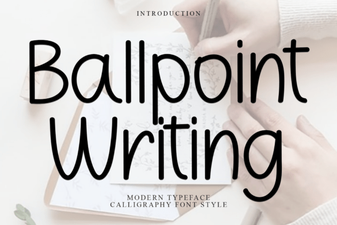 Design Your Print Projects with a Ballpoint Writing Font
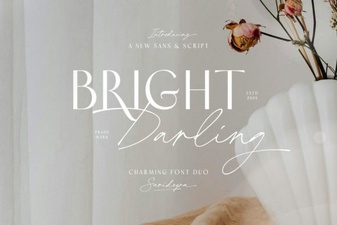 Creative Font Pairings with Bright Darling Duo
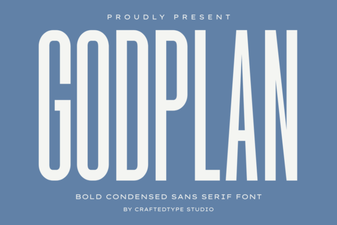 Godplan Font: Design, Readability, and Creative Ideas
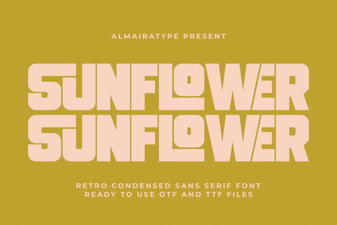 Sunflower Font: Creative Uses in Design Projects
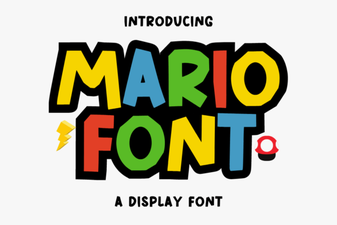 Custom Mario Font Design & Creative Projects
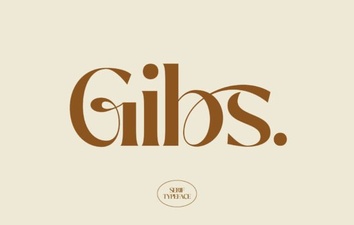 Gibs Font: Creative Projects & Typography Ideas