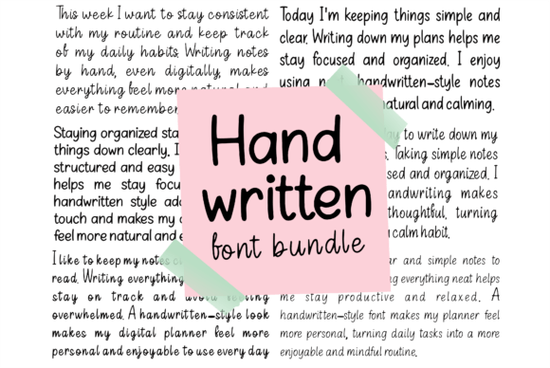
If you design digital planners, run a small stationery shop, or just want your personal notes to feel less like a spreadsheet and more like a notebook, the Handwritten Font Bundle Font gives you that everyday, pen-on-paper look. Instead of hunting for individual scripts that clash or feel too formal, this collection groups clean prints and relaxed cursive styles that actually work together. You get typefaces that read well at small sizes, pair easily with basic sans serifs, and keep your layouts warm without sacrificing clarity.
What makes a handwritten font work for digital planners?
Digital planning tools rely on consistency. When you switch between habit trackers, daily logs, and monthly spreads, your text needs to stay legible while carrying a personal touch. The fonts in this bundle feature steady baseline alignment and open counters, so letters like a, e, and o never collapse when scaled down. You also get alternating character weights that mimic natural pen pressure, keeping headers intentional and body text easy to scan. If you prefer a slightly thicker stroke for stickers or printable labels, you might also browse options like chunky font script fonts that hold up well on cut lines and vinyl.
Which projects benefit most from casual script typefaces?
Not every design needs formal calligraphy. Most small business branding and print-on-demand products perform better with relaxed, everyday handwriting. This style works especially well for digital journals where users type directly into PDF fields, POD mugs and tote bags that rely on short friendly phrases, and social media templates for makers who want an approachable voice. When you match the right script to the right medium, your designs read faster and feel more authentic. If you are building a cohesive brand kit, you can also explore brown carolina duo font script fonts for a clean combination that works nicely on packaging and product tags.
How do you pair these fonts without cluttering your layout?
The biggest mistake designers make with handwritten type is using too many styles on one page. Stick to a simple hierarchy: one structured print for body text, one flowing cursive for accents, and a standard sans serif for fine print. Keep your cursive reserved for titles, short quotes, or single-line callouts. When you limit decorative fonts to a small portion of the total text block, your design breathes and your message stays clear. Spacing matters just as much as font choice. Handwritten styles naturally carry irregular side bearings, so you may need to adjust tracking slightly for headers. For social graphics, try palm bay social font script fonts to see how tighter letter spacing creates a modern look while keeping the hand-drawn charm.
What should you check before downloading a font bundle?
Font bundles save time, but only if the files are properly organized and licensed for your intended use. Before you install anything, verify that the package includes both OTF and TTF formats so they work across Windows, Mac, and apps like Canva. Check the commercial license terms carefully, especially if you plan to sell physical products or digital templates. Look for extended glyph sets if your audience uses accented characters, and always test the fonts at actual print size to catch any thinning strokes. If you enjoy duo-style packages that give you a script and a matching sans in one download, bee kind duo font script fonts offer a straightforward pairing system. For a closer look at licensing and file details, you can review the Handwritten Font Bundle directly on the marketplace.
How do you install and use these fonts in your daily workflow?
Installation is straightforward. Download the zip file, extract the font folder, and double-click each file to install. On Windows, right-click and select Install for all users so the typefaces appear in every program. On Mac, use Font Book to validate the files before adding them to your library. Once installed, restart your design software so the new fonts populate correctly. When you start designing, set up a quick style guide in your workspace. Choose your primary handwritten font for headings, assign a clean print for body copy, and note the exact point sizes that work for your templates. Keep a separate folder for your licensed font files so you can quickly reinstall them on new devices. If you ever need to revisit the full collection, the handwritten font bundle font script fonts page keeps everything organized in one place.
Quick next steps before you start designing:
- Install both OTF and TTF versions and restart your design apps
- Test a full alphabet string at 12pt and 24pt to check legibility
- Pair one cursive accent with one structured print per project
- Verify your license covers commercial use for templates or POD items
- Save a typography reference sheet with your chosen sizes and spacing
Take ten minutes to set up your font library correctly, and your future designs will come together faster, look more consistent, and feel genuinely personal.
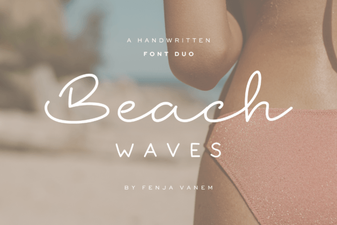 Beach Waves Duo Font for Typography Projects
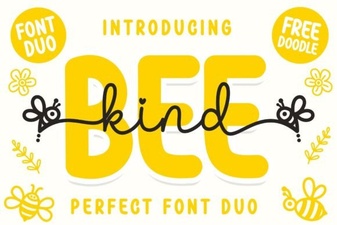 Bee Kind Duo Font: Perfect Pair for Creative Projects
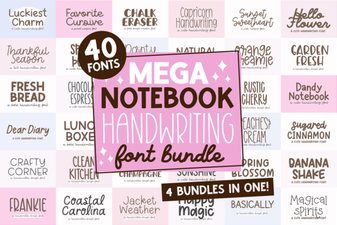 Digital Notebook Fonts for Handwriting & Creative Projects
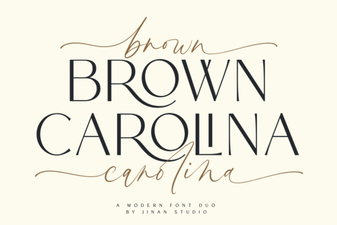 Brown Carolina Duo Font Design & Project Ideas
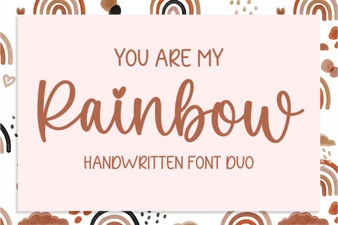 Fonts to Brighten Your Digital Projects
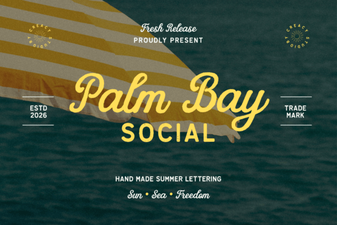 Palm Bay Font for Creative Social Projects